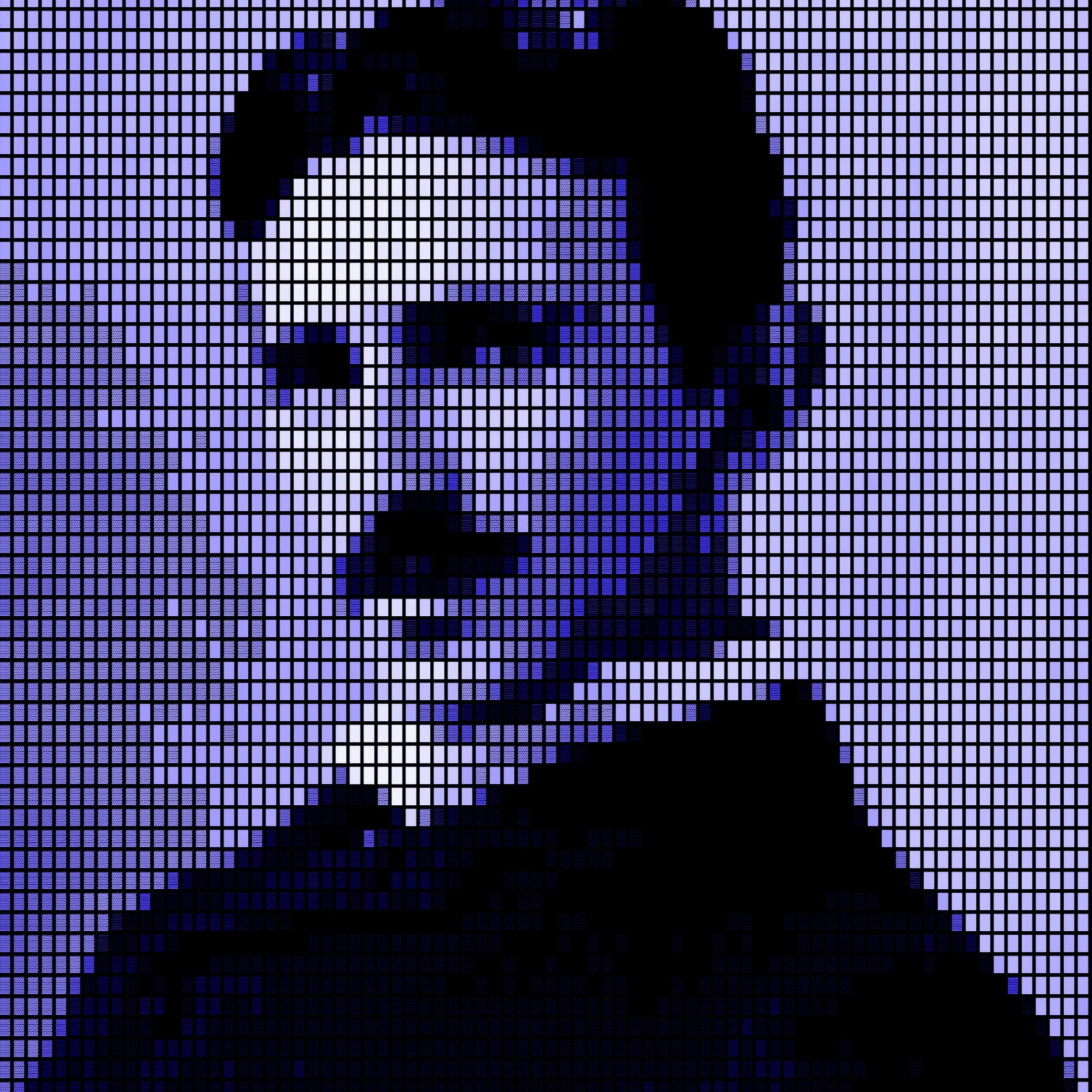
Nikola Tesla
Alternating current
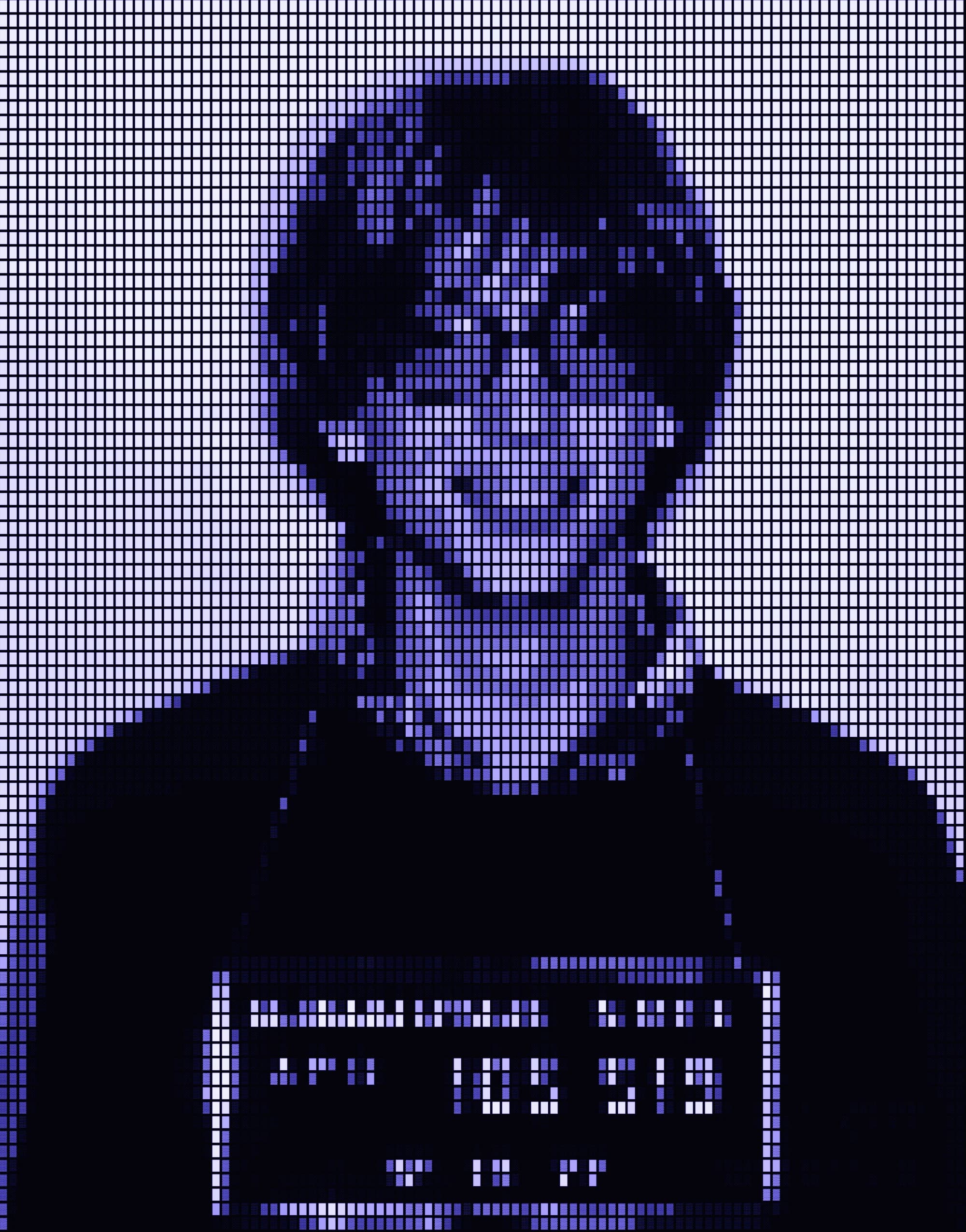
Arrived in New York a ditch-digger with a letter of introduction and no company to his name.
Batch C23-01 · applications open
An early stage venture firm. We find builders before anyone else will, and back them once they are ready.
They were caught before the world noticed
Alternating current
Arrived in New York a ditch-digger with a letter of introduction and no company to his name.
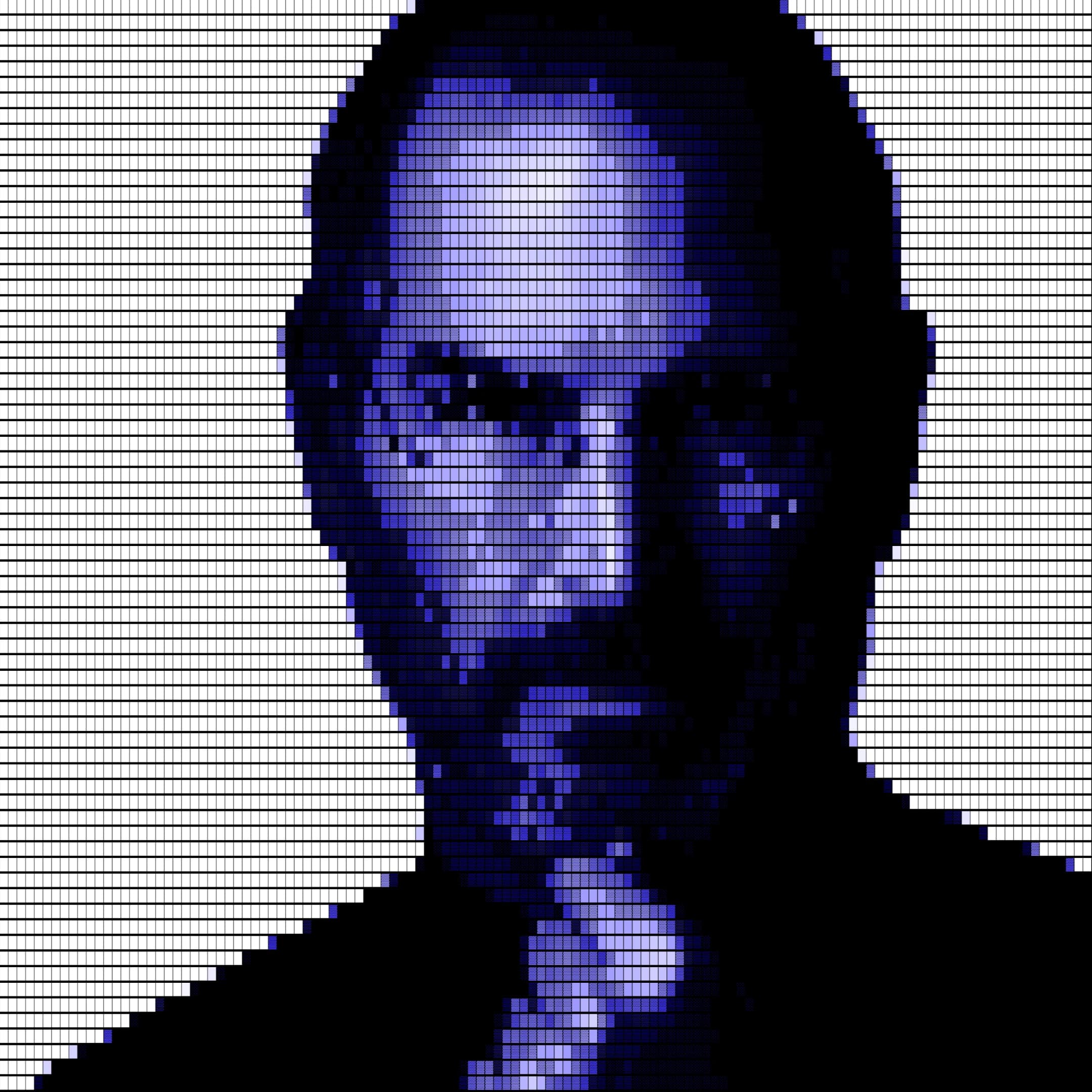
Apple
Sold the van to pay for the first fifty boards, built in a garage nobody visited.
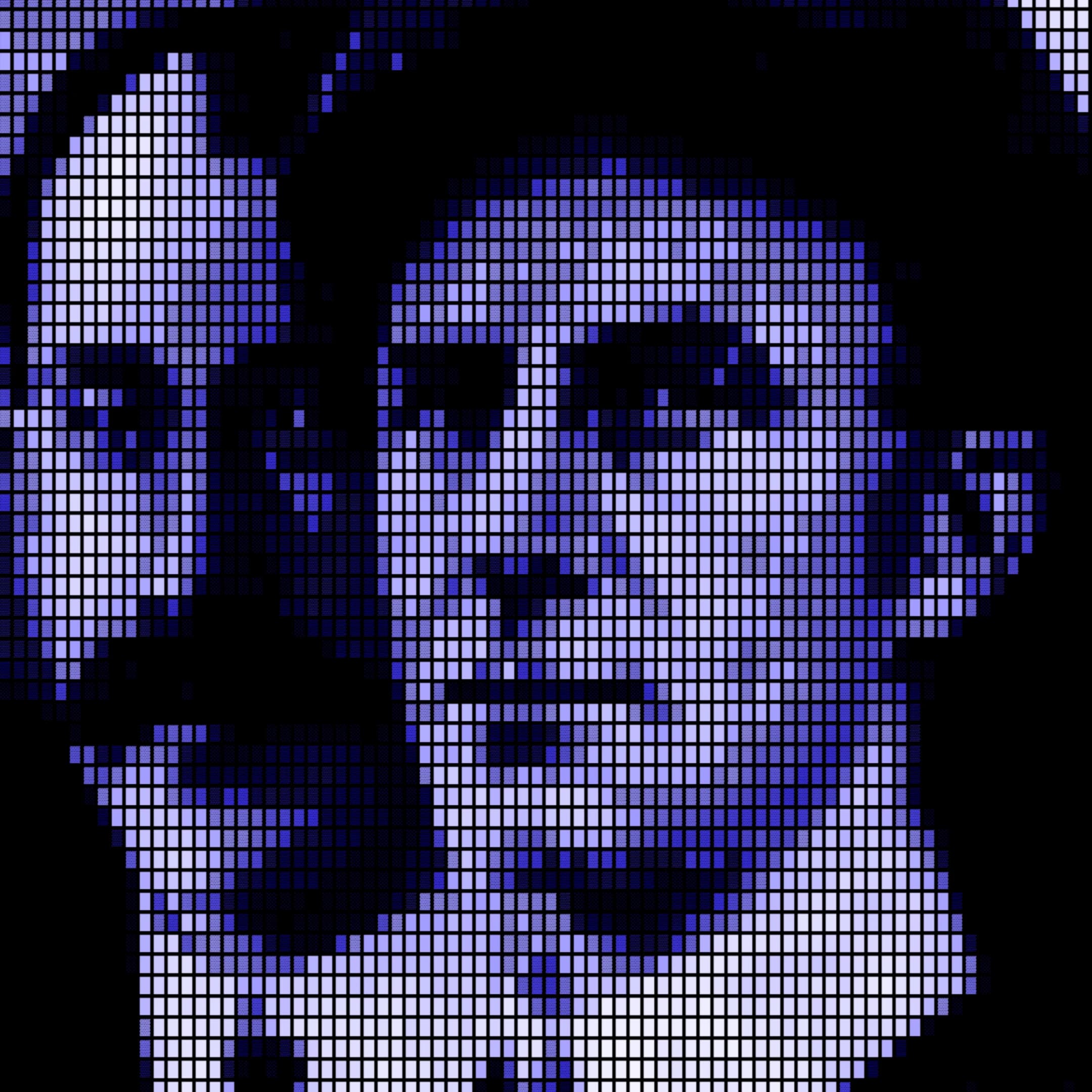
Powered flight
Funded four years of failed flights out of the takings of a bicycle shop in Dayton.
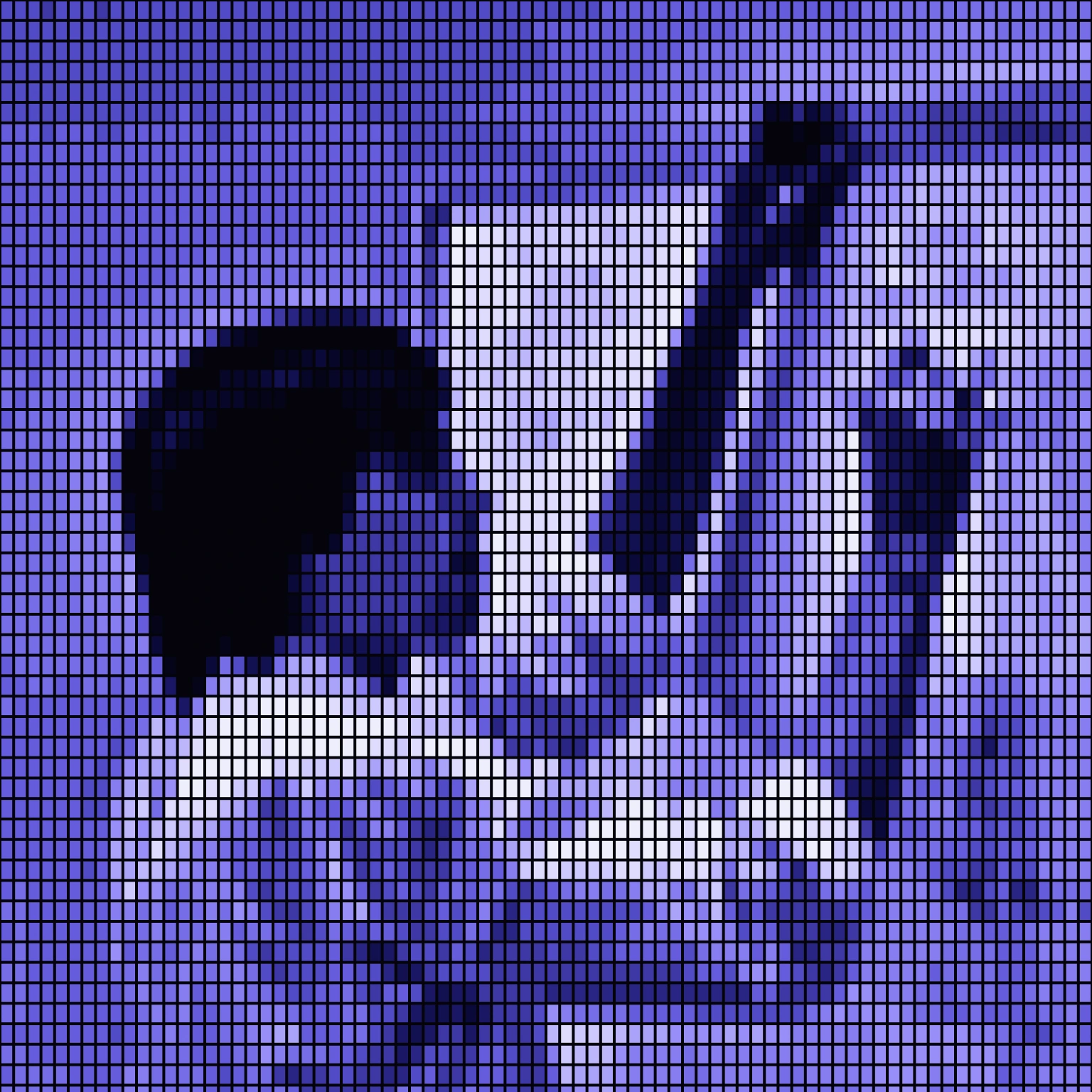
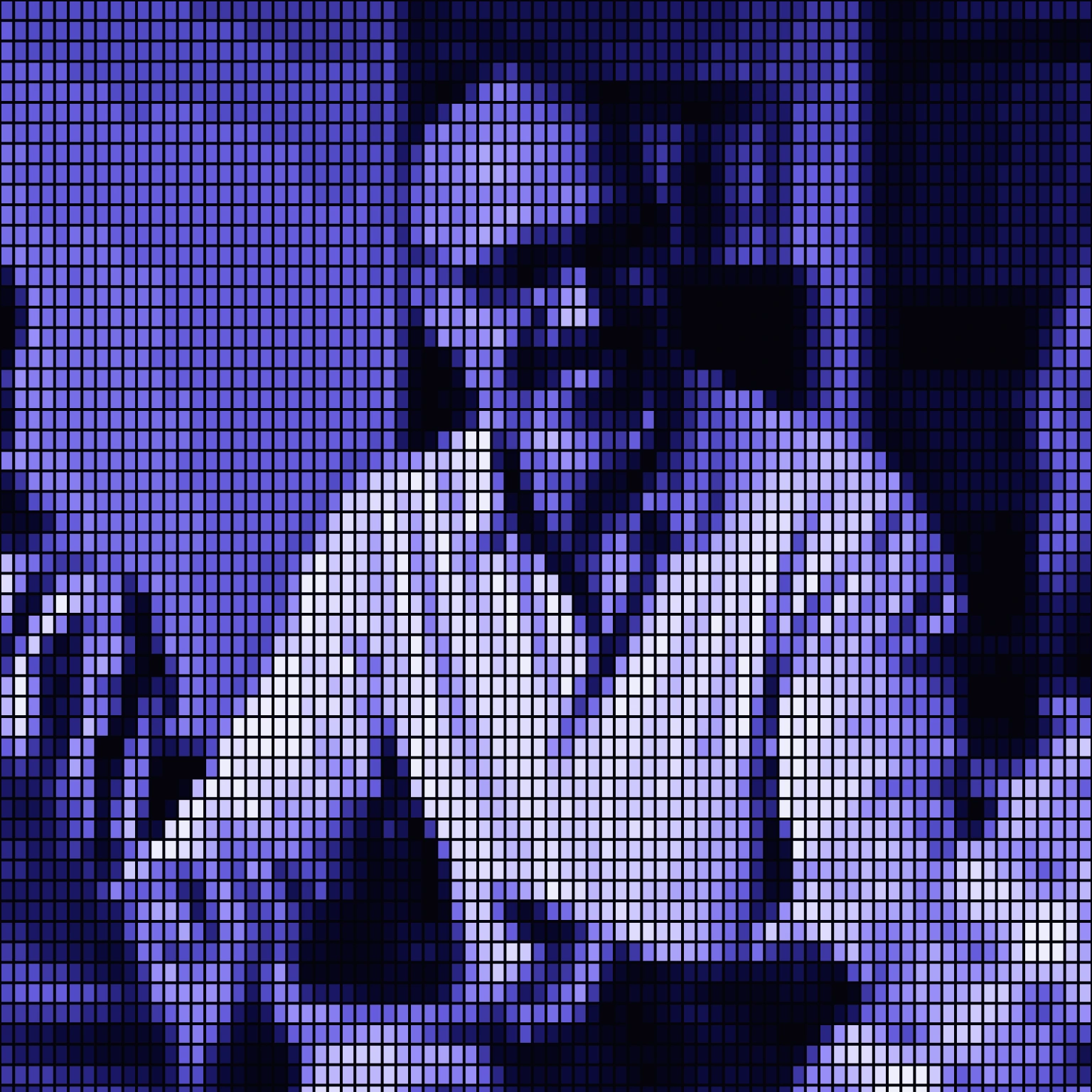
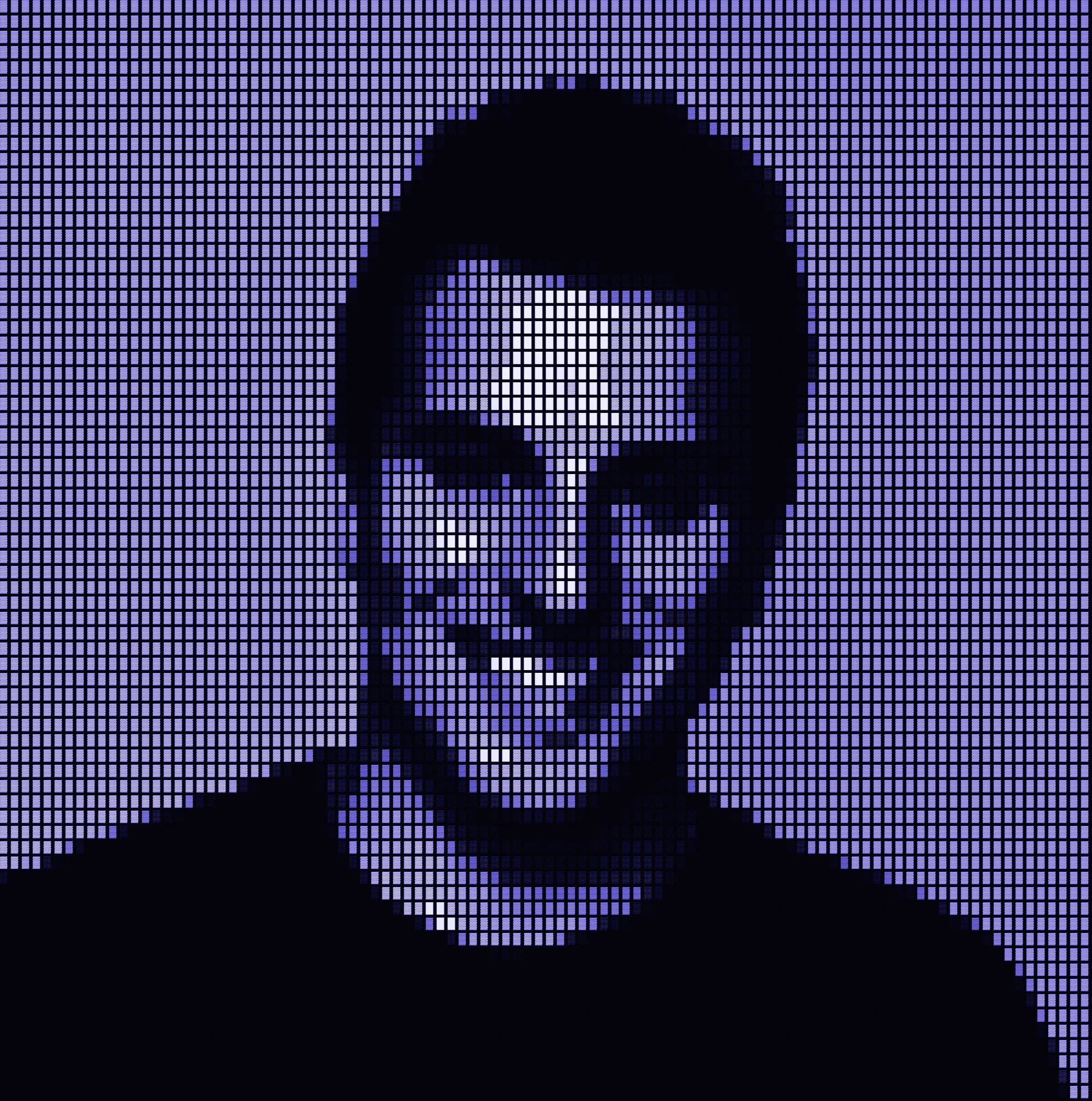
None of them looked like a good bet at the time. A ditch-digger (Nikola Tesla) with a letter of introduction. A college dropout (Steve Jobs) in a garage. Two brothers (Wright Brothers) funding failed flights out of a bicycle shop. Every one of them was overlooked by people whose job was to spot exactly this. We think the same people are out there now, doing unremarkable things in unremarkable places, and nobody is looking for them yet.

Element 23 · Vanadium
Vanadium. A catalyst speeds up a reaction without being consumed by it. It is present at the exact moment two things would not otherwise combine, and it leaves unchanged.
Entry
No company, no code, no co-founder required.

Hands-on support
Mentors who’ve built and shipped, plus a direct pipeline into the incubators and firms who back what comes next.
Network
Founders and operators joining as mentors, not investors.
First batch · applications open

Catalysis23 Sprint is a reality show cum accelerator. Founders ready to move, whether that’s a working startup already in motion or a real idea they’re ready to commit to, enter 30 days of full-pressure building, documented and broadcast as it happens. Part accelerator, part reality show: real teams, real stakes, real cameras, building toward a live Demo Day in front of mentors, investors, and an audience watching it unfold in real time. Same firm, same standards, just told the way it actually happens, not the way a pitch deck usually tells it.
How it works
Phase 01
Teams form and each one runs five user conversations. One real problem is committed to by day five, and there are no pivots after it.
Days 1–5
Phase 02
Demand is proven before a line of product code. A fake door, a landing page or a waitlist goes live, then ten more interviews.
Days 6–10
Phase 03
An MVP sprint with AI tooling and a stack each team picks. Public checkpoints on day 15 and day 20, so there is nowhere to hide.
Days 11–25

Phase 04
A real public launch, then first users and first revenue attempts. Demo Day in front of mentors, alumni and investors.
Days 26–30
Batch C23-01 · Applications open
SprintThe world’s first reality show-cum-accelerator. Applications for the first batch are open.
Inside the cohort, you build the idea or the startup you applied with, starting on the first day. You pressure-test it against real people until the problem underneath is sharp enough to commit to. Demand gets proven before more code is written: a landing page, a waitlist, conversations about the solution rather than the problem. Then the build, with AI tooling and public checkpoints where every team demos to every other, so progress is visible and so is stalling. Mentor hours go to the teams that are struggling. It ends with a real public launch, first users, and a live pitch on Demo Day in front of mentors and investors. The cameras are on the whole way through.